

1. How to choose air conditioner for home based on your needs
One of the first steps to understanding how to choose air conditioner for home is to analyze the characteristics of the property. The size, orientation, number of rooms, ceiling height, and insulation quality directly influence the type of system you need.
Cooling a small apartment is not the same as cooling a multi-story house. Similarly, a home with high sun exposure requires a different solution than a shaded one. The better the system is adapted to the real needs of the home, the better its performance will be.
2. Consider the type of air conditioning system
To choose the right air conditioning system for your home, it is important to understand the most common options. Split systems are one of the most popular solutions for cooling a single room. Multi-split systems allow multiple rooms to be cooled with one outdoor unit, while ducted systems provide a more uniform and aesthetic solution throughout the home.
The choice depends on the size of the home, the number of areas to be cooled, and the level of integration desired in the interior design. Professional advice is key to determining the best solution in each case.
3. Evaluate the energy efficiency of the system
Energy efficiency is one of the most important factors when understanding how to choose air conditioning for your home and ensuring a truly efficient system. An efficient unit consumes less electricity, maintains temperature better, and reduces energy costs.
Choosing a system with a high energy rating not only improves long-term savings but also enhances comfort and reduces environmental impact. Today, investing in efficient technologies is one of the smartest decisions for any household.
4. Check the required power
Another key factor when choosing air conditioning for your home is system capacity. A unit with insufficient power will struggle to reach the desired temperature, while an oversized system may lead to unnecessary energy consumption and unstable operation.
The required power should be calculated based on the size of the home, insulation, orientation, and thermal load of each room. Avoid generic solutions and opt for a tailored recommendation.
5. Consider comfort and indoor air quality
Choosing the ideal air conditioning system is not just about cooling during summer. It is also important to evaluate how the system affects indoor air quality, noise levels, and overall comfort.
Some systems include advanced filters, humidity control, and features that improve indoor air quality. This is especially important in family homes, where comfort goes beyond temperature.
6. Consider design and integration
Design also plays a role when understanding how to choose air conditioning for your home and selecting the most suitable system. Many homeowners look for efficient systems that are also discreet and well integrated into the aesthetics of the house.
Ducted systems or certain wall-mounted units offer more elegant and less visible solutions. Choosing equipment that combines functionality and design improves both usability and the final result in each room.
7. Choose systems with smart control
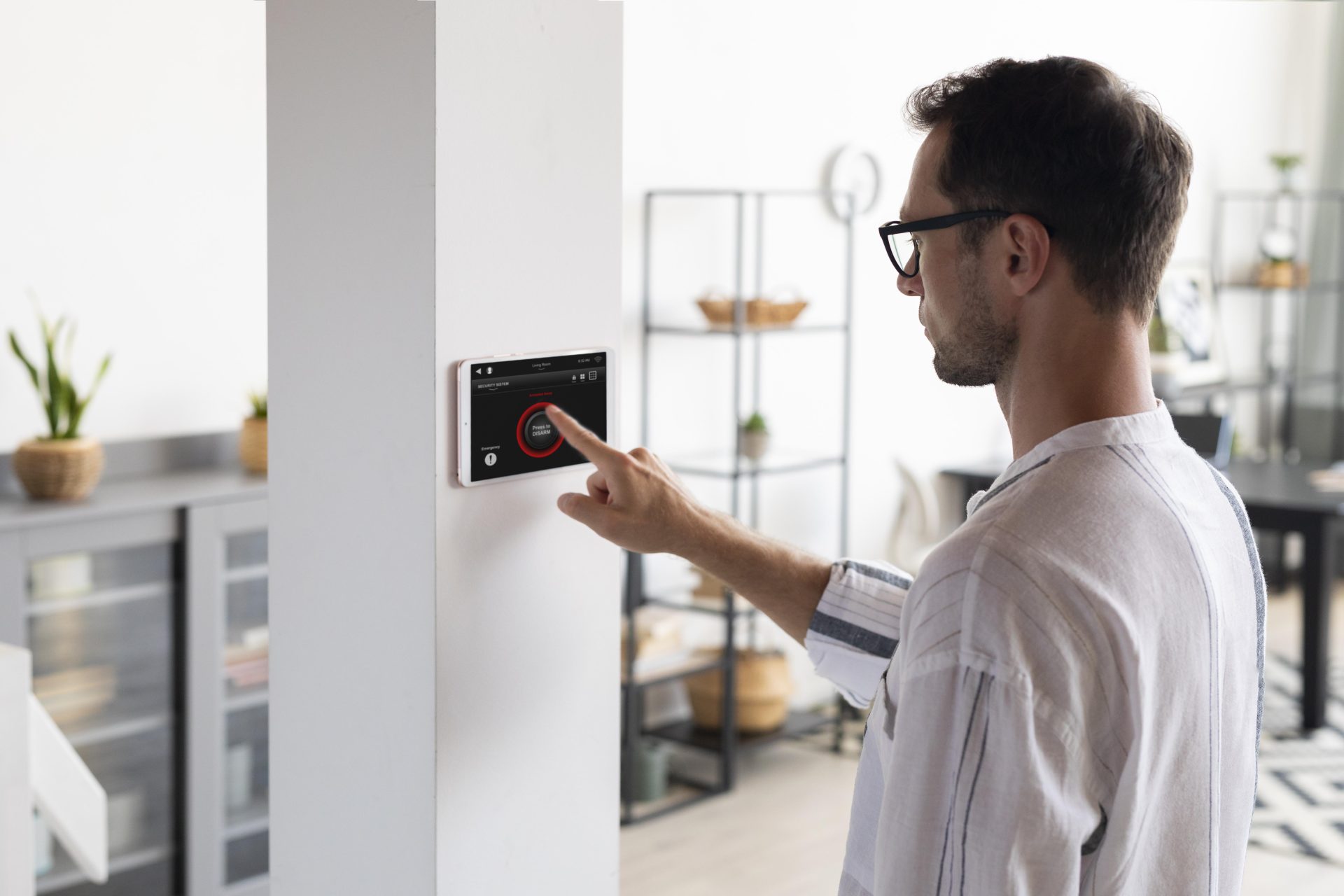
Modern technology allows you to select systems with remote control, scheduling, and mobile connectivity. These features help manage energy consumption and improve daily comfort.
Having a smart system makes it easier to maintain a stable temperature, adapt operation to daily routines, and avoid unnecessary energy use. According to the Institute for Energy Diversification and Saving, control and automation systems can significantly improve energy efficiency in homes.
Therefore, when choosing the ideal air conditioning system, it is also important to consider control and automation options.
8. Trust qualified professionals
A good system may not perform as expected if it is not installed correctly. That is why, in addition to knowing how to choose air conditioning for your home, it is essential to rely on professional installers who can assess your home and provide a tailored installation.
Technical advice helps avoid common mistakes, optimize unit placement, and ensure efficient performance from day one. A professional installation is key to extending the lifespan of the system.
9. Don’t forget maintenance
Understanding how to choose air conditioning for your home also means considering maintenance. A well-maintained system retains its efficiency, reduces the risk of breakdowns, and ensures better indoor air quality.
Filter cleaning, regular inspections, and system checks are essential to keep the equipment in good condition. Choosing the right system also means ensuring it is practical and reliable in everyday use.
Choosing well means better comfort and efficiency
Choosing the ideal air conditioning system for your home directly impacts comfort, energy consumption, and indoor air quality. Analyzing your needs, evaluating efficiency, and relying on professional advice are key to making the right decision.
A good choice not only improves indoor temperature but also provides long-term savings and peace of mind. Investing in a solution tailored to your home ensures efficient and durable climate control.
Do you want to choose the best system for your home?
At Karma Clima, we help you find the best solution for your home, guiding you on how to choose air conditioning for your home with efficient systems, thoughtful design, and professional support at every stage of the project.
If you are considering installing a new climate control system, our team is ready to help you make the best decision.